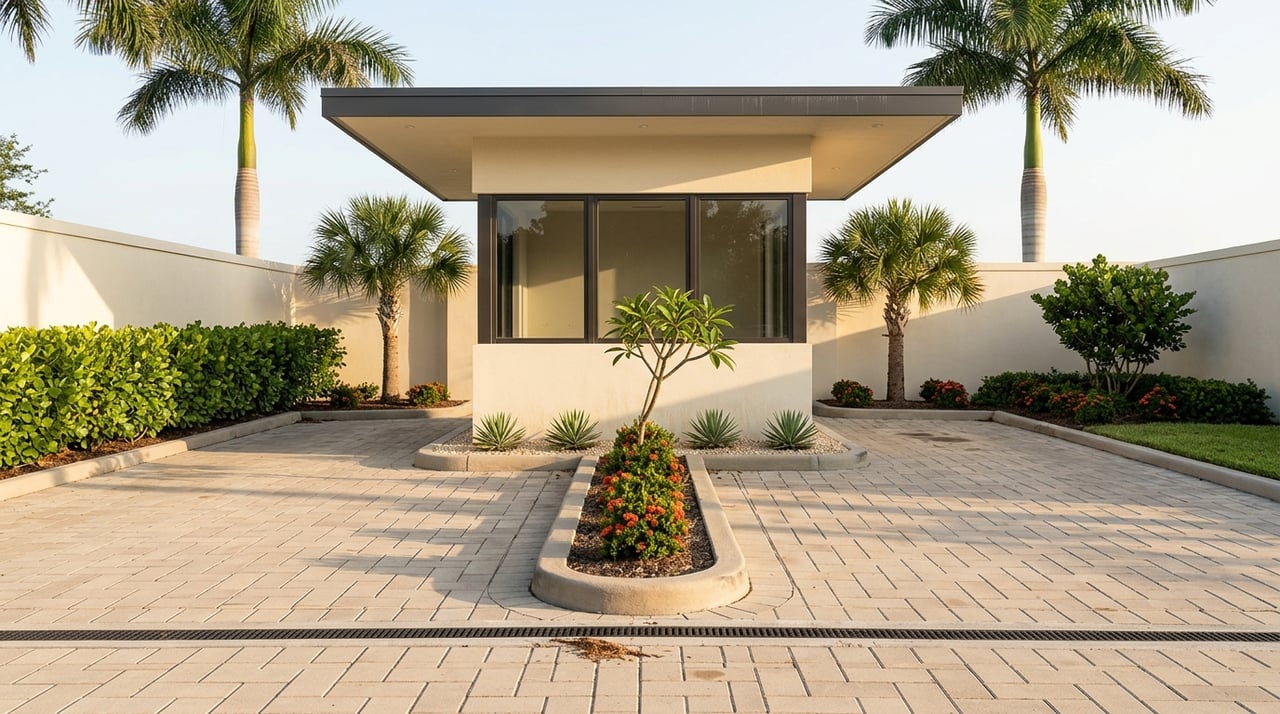
Parkland FL Gated Communities and HOA Guide
June 11, 2026
June 11, 2026
Thinking about buying in Parkland? One of the biggest decisions is not just the home itself, but the kind of community that comes with it. In Parkland, many homes are part of gated neighborhoods or HOA-governed communities, so it helps to understand what that really means before you fall in love with a property. If you want a clear, practical look at the tradeoffs, costs, and documents that matter most, you’re in the right place. Let’s dive in.
Parkland has developed with a strong focus on planned residential neighborhoods, shared amenities, and long-term community upkeep. The city describes itself as a suburban community centered on quality of life, community character, and the natural environment, with about 32,000 residents in northwest Broward County.
City documents also show that much of Parkland’s recent residential growth has taken place in the western Wedge area. Communities identified by the city include Parkland Bay, The Falls, Four Seasons, and Parkland Royale II, with Parkland Royale II specifically described as gated.
That pattern helps explain why gated and HOA communities play such a big role in Parkland’s housing market. In many cases, these neighborhoods were built as planned developments with shared spaces, organized maintenance, and community rules already built into the ownership experience.
When you buy in an HOA community, you are usually buying into more than a home. You are also joining a structure that helps maintain common areas, manage amenities, and set standards for how the neighborhood is cared for.
Depending on the community, HOA living may include features such as:
That can create a more predictable look and feel throughout the neighborhood. For many buyers, that consistency is part of the appeal.
The biggest benefit of an HOA community is often convenience. Shared maintenance, neighborhood amenities, and established standards can make day-to-day ownership feel more streamlined.
The tradeoff is that you usually have less freedom to make changes or use the property however you want. Rules may affect parking, pet policies, exterior colors, landscaping, noise, or how common areas are used.
That does not make HOA living better or worse across the board. It simply means the right fit depends on your lifestyle, your budget, and how much structure you want in your community.
One of the most important things to understand is that HOA dues are typically separate from your mortgage payment. They are usually paid directly to the association, which means they need to be treated as their own monthly housing cost.
Those dues can vary widely. Consumer guidance cited in the research notes that HOA fees may range from a few hundred dollars per month to more than $1,000 per month, depending on the community and what is included.
In many communities, fees help pay for:
Florida law also requires HOA budgets to outline annual operating expenses, list recreational amenity charges separately, and include reserves for capital expenditures and deferred maintenance where applicable. That makes the budget one of the most important documents to review before you buy.
Monthly dues are only part of the financial picture. In some communities, special assessments may be charged for emergency repairs, major projects, or expenses that reserve funds do not fully cover.
That is why a home that looks low-maintenance on the surface can still come with meaningful ongoing costs. If you are comparing two Parkland communities, it is smart to look beyond the list price and ask how the association handles reserves, maintenance planning, and large future expenses.
A common misunderstanding is that an HOA handles everything outside your walls. In reality, maintenance responsibilities depend on the governing documents for that specific community.
In a single-family HOA, the association may focus mainly on common areas and neighborhood standards, while you remain responsible for most of the home itself. In a condo-style setting, the association’s maintenance role is often broader.
Before you buy, make sure you understand exactly where that line is drawn. You want clear answers about what the association maintains, what you maintain, and which costs could still become your responsibility.
Florida law makes it clear that owners, tenants, guests, invitees, and the association itself must comply with the governing documents and community rules. That means HOA rules are not just suggestions. They are part of the ownership framework.
Common rules may address:
Florida law also allows architectural review and approval of plans and specifications when that authority is included in the declaration. In practical terms, that means exterior changes often require advance approval.
If you are thinking about updating a roofline, repainting, adding hardscape, changing landscaping, or making visible exterior improvements, it is important to check the rules first. Doing that early can save time, money, and frustration.
In Florida, a prospective buyer must receive an HOA disclosure summary before signing the sale contract. If that disclosure summary was not delivered before the contract was signed, the contract is voidable.
That summary is important because it warns buyers that they will owe HOA assessments, may owe special assessments, and may also owe municipal, county, or special-district assessments. It also directs buyers to review the covenants and governing documents before purchasing.
For Parkland buyers, the most useful documents usually include:
These documents tell you how the community functions in real life, not just how it looks during a showing.
Florida law gives buyers and members important access to association records. Official records generally must be kept in Florida for at least seven years and made available within 10 business days after a written request.
Associations are also required to maintain copies of governing documents for members and prospective members. Larger associations must make governing documents and current rules available online or through an app.
This matters because enforcement is usually a formal process. Florida law generally requires notice and a hearing before most fines or suspensions are imposed, which means community enforcement tends to follow a documented structure rather than happen informally.
Even so, buyers should assume that issues like parking, pets, rentals, and exterior appearance may be actively enforced if the documents allow it. Reading the paperwork carefully is one of the best ways to avoid surprises after closing.
When you tour homes in Parkland, it is easy to focus on the kitchen, the backyard, or the gate at the entrance. Those things matter, but they are only part of the picture.
A smart comparison should also include the association itself. Ask how much you are paying each month, what that fee covers, how reserves are funded, what recent assessments have looked like, and how much control the rules give the association over everyday ownership decisions.
In a city where planned development has shaped much of the housing landscape, the community structure can have a major impact on your lifestyle and your long-term costs. The right home is not just the right floor plan. It is also the right fit between your preferences and the way the neighborhood operates.
Parkland’s gated and HOA communities can be a strong fit if you value a planned environment, shared amenities, and ongoing neighborhood upkeep. For many buyers, that combination creates a polished, organized ownership experience.
At the same time, the monthly fee, reserve structure, and rule set are part of the true cost of the home. The more clearly you understand those pieces before you buy, the more confident and comfortable your decision will be.
If you’re comparing communities in Parkland and want calm, clear guidance through the process, Rosaria Catinella can help you look beyond the listing and make sense of the details that matter.
Stay up to date on the latest real estate trends.



Whether you're buying or selling, we are committed to delivering a stress-free, transparent, and successful experience. Let’s work together to achieve your real estate goals.