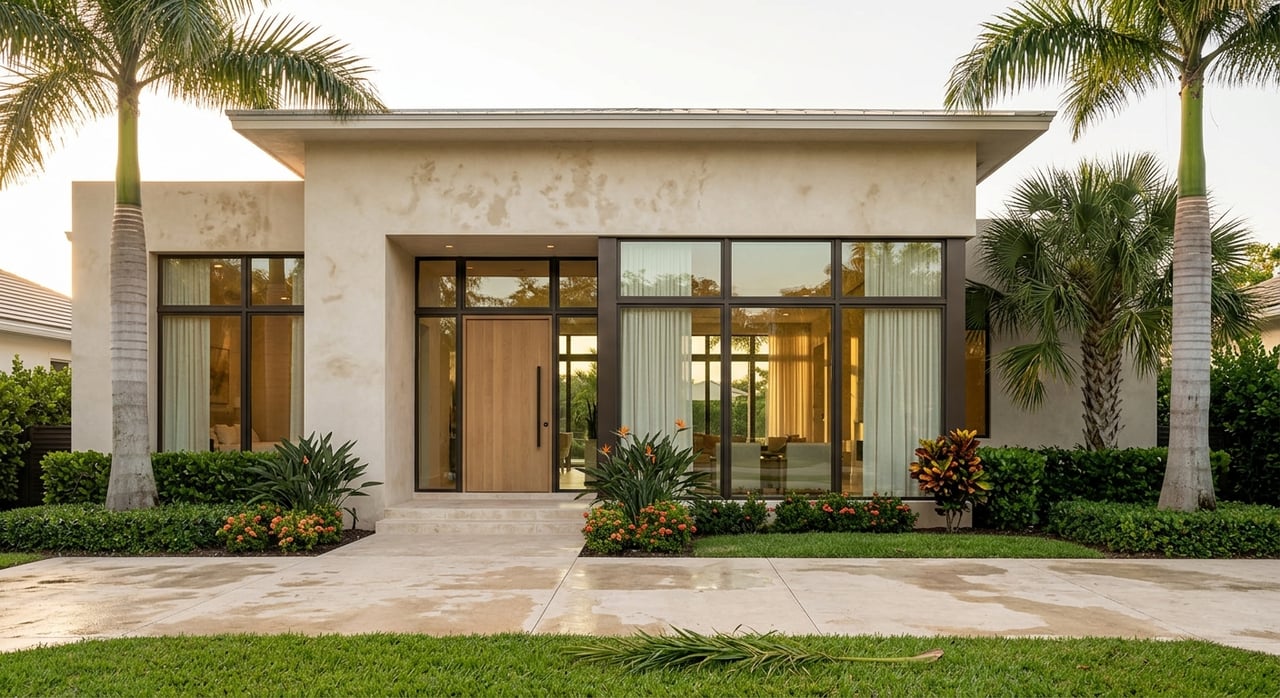
Everyday Living In Coral Springs: A Local Lifestyle Guide
April 23, 2026
April 23, 2026
If you are thinking about a move to Coral Springs, you are probably wondering what daily life really feels like once the boxes are unpacked. Beyond home prices and property photos, the bigger question is whether the city fits your routine, your pace, and the way you want to live. This guide walks you through what everyday living in Coral Springs looks like, from housing and commuting to parks, events, and neighborhood rhythms. Let’s dive in.
Coral Springs offers a suburban lifestyle with a strong neighborhood feel. The city had an estimated population of 140,808 in 2024 across 22.86 square miles, which creates a setting that feels active and established without reading like a dense urban core. According to the U.S. Census QuickFacts for Coral Springs, the city also reflects a broad mix of residents, including 26.4% under age 18 and 32.1% who were foreign-born.
That mix helps shape daily life in a practical way. You are living in a city where many households are putting down roots, building routines, and using local amenities regularly. Census data also shows that 60.3% of homes are owner-occupied and 87.7% of residents lived in the same house a year earlier, which suggests a level of stability that many buyers and sellers pay attention to.
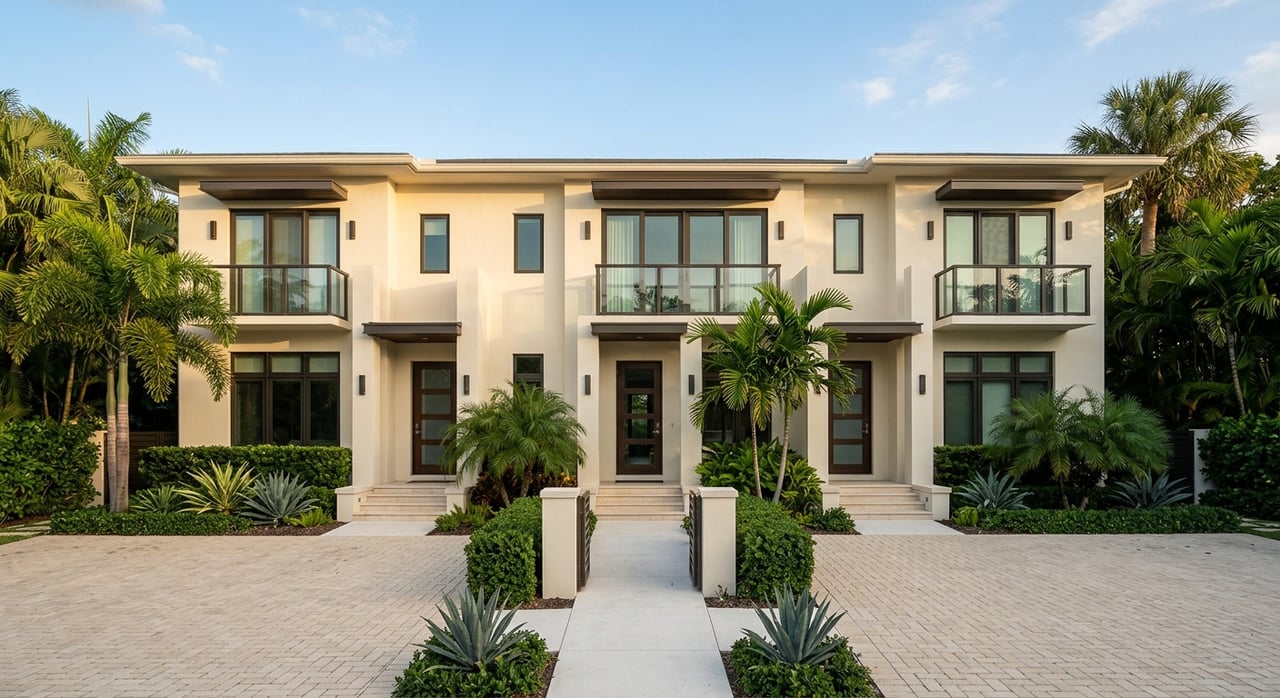
One of the most useful things to know about Coral Springs is that it is not a one-style housing market. The city’s comprehensive plan supports a range of residential types, including detached single-family homes, townhomes, two-family attached housing, cluster development, and multi-unit housing in certain areas.
That means your day-to-day experience can vary depending on where you land. Some parts of the city are shaped by larger-lot single-family homes, while others are oriented around townhomes, condos, or multi-unit living closer to major roads and commercial corridors. For buyers, that creates more flexibility in matching a home to your budget and lifestyle. For sellers, it means buyers often compare options across more than one housing type.
Housing costs also give context to the market. The Census estimates the median value of owner-occupied homes at $545,400 and median gross rent at $2,084. Those numbers point to a market with meaningful ownership demand and a solid rental presence.
In Coral Springs, neighborhood appearance and maintenance are part of everyday life. The city’s Neighborhood Partnership Program has created more than 130 formal partnerships and supported more than $1 million in improvements.
That tells you something important if you are shopping for a home or preparing one for sale. Many neighborhoods are organized, engaged, and focused on upkeep. The same city page also notes support for neighborhood improvements, while Code Compliance helps preserve property maintenance and aesthetics, which reinforces why exterior condition and curb appeal often matter in this market.
Coral Springs is largely set up for car-based living. The mean commute time is 29.9 minutes, which fits the pattern of a spread-out Broward County suburb where errands, school runs, and work trips often happen by car.
At the same time, the city has made mobility upgrades that support day-to-day convenience. The University Drive Mobility Improvement project included widening work as well as expanded bike lanes and sidewalks, especially along a major north-south route.
If you prefer an added transportation option, Coral Springs also operates a Community Shuttle Bus. The shuttle stops at places like Coral Square Mall, Sample Road and University Drive, Heron Bay Plaza, and Sportsplex Drive near Coral Glades High School. It runs every 60 minutes and connects with Broward County Transit routes, giving residents a practical support option for local trips.
For many residents, everyday living in Coral Springs includes regular time outdoors. The city maintains 49 parks, and Parks and Recreation oversees a wide range of amenities, including the Aquatic Complex, Tennis Center, sports leagues, summer camps, after-school programs, a dog park, and the Coral Springs Gymnasium.
That level of park access matters because it affects how your week actually unfolds. You have places for walking, play, exercise, and casual meetups built into the city. The Aquatic Complex alone draws more than 600,000 visitors each year, which gives you a sense of how central recreation is to local life.
Cypress Hammock is one of the city spaces that helps you picture a normal weekend. According to the parks directory, it includes tennis courts, a swimming pool with a slide, a water playground, picnic areas, a jog and walk trail, and a meeting room.
Nearby, Cypress Water Park adds a splash pad, an interactive water playground, and a two-story slide. If your ideal routine includes easy access to active outdoor spaces, these amenities become part of the lifestyle picture.
Sportsplex supports a different kind of routine. The city lists fields, courts, pickleball, tennis, walking trails, and open play areas, which makes it a flexible spot for both structured activities and casual outdoor time.
If you want a more natural walking setting, Sawgrass Trailhead offers daily trail access from 8 a.m. to sunset. It gives residents another option when you want less of a programmed park setting and more of a simple outdoor reset.
Coral Springs is not just about homes and parks. It also has a visible public event calendar that helps create a sense of rhythm throughout the year. The Coral Springs Festival of the Arts is a free outdoor event at The Walk at University featuring artisans, crafters, music, dance, theater, and literary presentations.
The city also hosts its annual Holiday Parade along Sample Road, bringing together community groups and schools. Events like these give residents regular chances to spend time locally rather than always leaving the city for entertainment.
If you are buying in Coral Springs, the lifestyle story is fairly clear. You are looking at a city with a planned mix of housing, a strong parks system, active neighborhood programs, and a suburban layout that supports routines centered on home, recreation, and local errands.
That can be especially helpful if you want choices in housing type rather than a one-format market. Depending on your goals, you may find detached homes, townhomes, condos, or other residential options that line up with how you want to live day to day.
If you are selling, understanding the lifestyle appeal of Coral Springs helps you position your home more effectively. Buyers are not only comparing square footage and finishes. They are also thinking about commute flow, neighborhood upkeep, park access, and what weekend life looks like nearby.
That is one reason presentation matters here. In a city where neighborhood maintenance and curb appeal are supported through active programs, your home’s exterior condition and overall readiness can shape how buyers respond.
A lifestyle guide can tell you what Coral Springs offers, but real estate decisions still come down to fit. The way one area feels during a weekday morning, how housing types shift by corridor, and what buyers tend to prioritize in different parts of the city are all details that are easier to understand with local context.
Whether you are planning a move, preparing to sell, or simply weighing your options, working with someone who knows Coral Springs can make the process feel much more manageable. If you want clear, thoughtful guidance tailored to your goals, Rosaria Catinella can help you navigate the Coral Springs market with the kind of communication and care that makes a big decision feel more straightforward.
Stay up to date on the latest real estate trends.
Whether you're buying or selling, we are committed to delivering a stress-free, transparent, and successful experience. Let’s work together to achieve your real estate goals.