Living in Coconut Creek FL: Homes, Parks, and Lifestyle
May 7, 2026
May 7, 2026
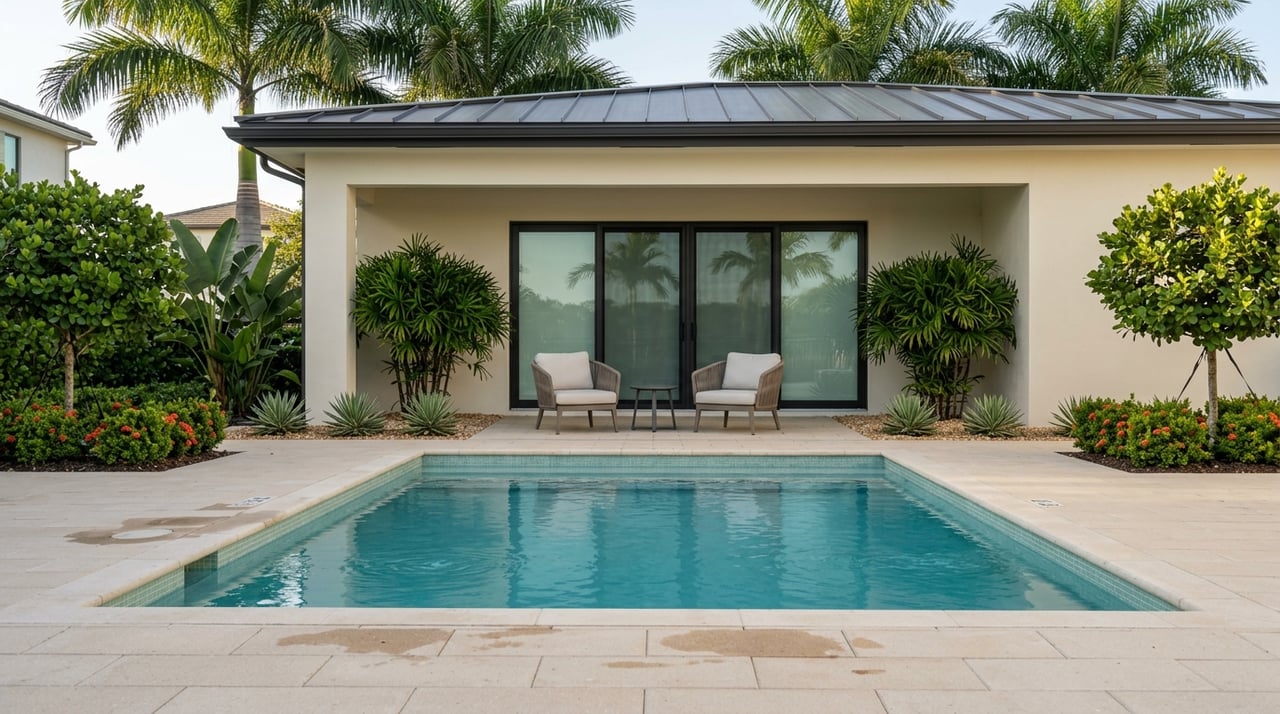
Thinking about a move to Coconut Creek? If you want a Broward County city that feels planned, green, and easy to live in, Coconut Creek stands out for good reason. You get a mix of housing options, everyday conveniences, and outdoor spaces without the feel of a dense urban core. Here’s what living in Coconut Creek is really like and what you should know before you make a move.
Coconut Creek presents itself as a well-planned community with a strong focus on environmental sustainability, mixed land use, and a small-town atmosphere. That identity shows up in how the city has grown, with housing, parks, shopping, and community spaces designed to work together.
The city’s Vision 2030 planning also points toward keeping that welcoming character as MainStreet continues to develop as a central gathering place. For you, that means Coconut Creek is not just growing randomly. It is growing with a clear community-focused vision.
Coconut Creek’s estimated 2024 population was 59,721, which gives it enough size to support daily amenities while still feeling manageable. It reads as a suburban Broward city with a balanced layout rather than an overbuilt one.
One of the biggest draws of Coconut Creek is its range of housing choices. City planning documents support a mix of apartments, condos, townhomes, and single-family homes, which gives buyers and renters more flexibility depending on lifestyle and budget.
If you are a first-time buyer, that variety can make Coconut Creek especially appealing. If you are downsizing, it can also open the door to lower-maintenance options without giving up a neighborhood feel.
The city’s 2020-2024 ACS profile shows an owner-occupied housing rate of 64.8%. It also reports a median owner-occupied home value of $309,600 and a median gross rent of $2,102, which helps frame the local housing picture at a high level.
Coconut Creek can work well for several types of buyers and renters. The city’s mix of housing, amenities, and recreation makes it especially relevant if you want convenience and community without a fast-paced urban setting.
You may want to look closer at Coconut Creek if you are:
The city also has a relatively mature population, with 20.1% of residents age 65 or older. That does not define the city, but it does help explain why services and programming for older adults are part of the community fabric.
A big part of living in Coconut Creek is convenience. Rather than relying on a traditional downtown, the city’s commercial and lifestyle activity is concentrated in recognizable hubs, especially around MainStreet.
According to the city, MainStreet is planned as a central gathering place with shopping, dining, cultural activities, office space, residential uses, resort elements, and greenspace. That matters because it supports a liveable, connected feel for everyday errands and leisure time.
The city also identifies the MainStreet area as home to Seminole Casino Coconut Creek and the Coconut Creek Promenade. The Promenade is described by the city as a 23-acre open-air shopping and restaurant center, giving residents a practical and familiar place to shop, dine, and meet up.
If outdoor access matters to you, Coconut Creek has a lot to offer. The city says it has 18 city parks and 9 greenways, which help connect many parts of the community.
That greenway system is especially notable because the city describes it as allowing safe travel without motorized transit in many areas. In day-to-day life, that adds to the feeling that Coconut Creek was planned with livability in mind.
Major facilities include the Recreation Complex, the Community Center, and Sabal Pines Park. Residents also have access to Broward County’s Tradewinds Park, which adds even more outdoor space nearby.
Coconut Creek is often associated with green space and nature, and that reputation fits. One of the city’s best-known attractions is Butterfly World, located at Tradewinds Park South in Coconut Creek.
It is a recognizable part of the city’s identity because it reflects the same themes you see throughout the community: greenery, accessibility, and an outdoor-oriented lifestyle. If you like living somewhere that feels a little calmer and more nature-connected, Coconut Creek has that character.
For downsizers and older adults, Coconut Creek offers more than just housing options. The city operates a Senior Center at the Community Center, with programming that includes social activities, fitness, games, discussion groups, a book club, movies, parties, guest speakers, and field trips.
That kind of programming supports a fuller lifestyle, especially if you are looking for a place where community involvement is easy to find. With more than 200 members, the Senior Center is a meaningful part of the city’s day-to-day life.
Coconut Creek’s transportation story is more practical than flashy, but that can be a real advantage. Broward County Transit operates Coconut Creek North and South community shuttle routes that expand access within city limits and connect riders to fixed routes.
The shuttles are wheelchair accessible and have bike racks, which adds flexibility for local trips. For regional travel, Tri-Rail’s Cypress Creek Station is nearby and offers free parking along with Broward County Transit connections.
If you commute or like having options for getting around South Florida, that nearby rail access can be helpful. Coconut Creek is also easy to reach by major roadways, which supports its role as a convenient suburban base.
If you are trying to understand whether Coconut Creek feels like a complete community, its in-city infrastructure matters. Broward County Public Schools located within the city include Coconut Creek Elementary, Coconut Creek K-8 Academy of Excellence, and Coconut Creek High School.
The key takeaway is not about ranking or comparison. It is that Coconut Creek has its own everyday community framework, with schools, parks, shuttles, shopping hubs, and public gathering spaces all contributing to daily life.
So what is it actually like living in Coconut Creek? In many ways, it feels like a suburban community that values balance.
You have enough shopping and dining to keep life convenient. You have parks, greenways, and recreation that help the city feel open and active. And you have a housing mix that can suit first-time buyers, downsizers, and people who want a condo or townhome lifestyle in Broward County.
Coconut Creek may be a strong fit if you want:
For many buyers, that combination is what makes Coconut Creek stand out. It offers convenience and structure, but it still feels relaxed and neighborhood-oriented.
Every move comes down to lifestyle fit. If you want a Broward location with a calm, green, planned feel and housing options that support different stages of life, Coconut Creek deserves a closer look.
It can be especially appealing if you are looking for a first home, considering a lower-maintenance property, or planning a downsize that still keeps you close to shopping, recreation, and daily essentials. The city’s identity is grounded in livability, and that tends to come through quickly when you spend time there.
If you’re thinking about buying or selling in Coconut Creek or nearby Broward communities, Rosaria Catinella can help you understand your options with clear guidance, local insight, and a smooth, well-managed process.
Stay up to date on the latest real estate trends.


Whether you're buying or selling, we are committed to delivering a stress-free, transparent, and successful experience. Let’s work together to achieve your real estate goals.