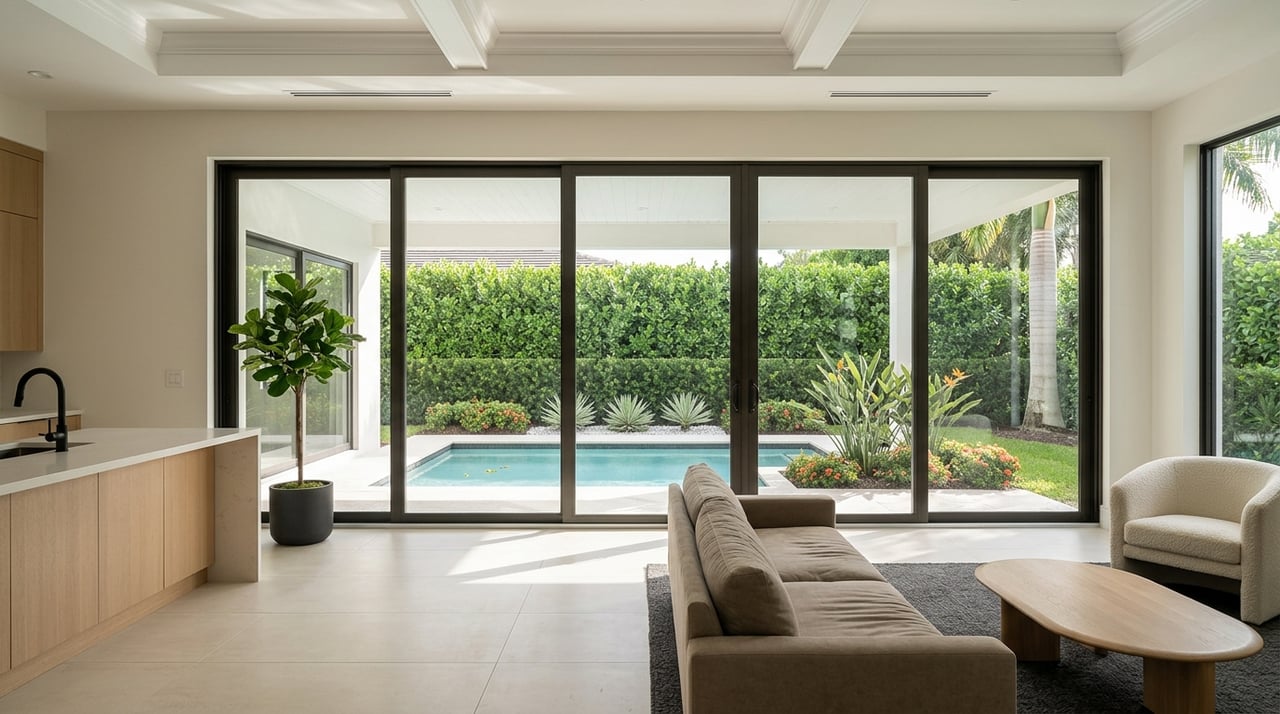
Is Parkland The Right Next Step For Your Move-Up Home?
May 21, 2026
May 21, 2026
Thinking about your next home often starts with one simple question: will the move actually improve your daily life? If you are outgrowing your current space in Coral Springs, Coconut Creek, or another part of Broward, Parkland often comes up for good reason. It offers a more residential feel, larger-home appeal, and strong city amenities, but it also comes with higher ownership costs and a car-centered lifestyle. This guide will help you weigh the tradeoffs so you can decide if Parkland fits your next chapter. Let’s dive in.
Parkland stands out as a premium, owner-focused market in Broward County. According to U.S. Census QuickFacts, the city has an 85.1% owner-occupied housing rate, a median household income of $198,669, a median owner-occupied home value of $983,000, and 3.33 persons per household.
Those numbers point to a market that tends to appeal to buyers who want more room and plan to stay for a while. If your current home feels tight, or you want a setting with more privacy and a stronger single-family feel, Parkland may line up with what you are looking for.
The city’s history supports that image. Parkland began as BBB Ranches, where buyers could purchase five-acre parcels, and the city now stretches from State Road 7/US-441 west to the Everglades and from the Sawgrass Expressway north to Loxahatchee Road. That larger-lot origin still shapes how many buyers view the area today.
Recent market data shows that Parkland remains firmly in move-up territory. In Q1 2026, Broward MLS reported 92 closed single-family sales in Parkland, with a median sale price of $1,177,500, an average sale price of $1,345,936, and a median time to contract of 52 days.
That pricing places Parkland well above many nearby Broward options. For you as a buyer, that means the city can offer the kind of home and setting many move-up households want, but it also means you need a clear budget and a realistic plan for carrying costs.
If you are selling and buying at the same time, this matters even more. A move-up purchase in Parkland usually works best when you understand both your current home value and how far your sale proceeds can stretch in today’s market.
A move-up decision is not only about square footage. It is also about how a place supports your routine, your weekends, and the way you want to live once the boxes are unpacked.
Parkland’s city-run recreation system is a major part of that appeal. The city says its Parks and Recreation department provides recreational, cultural, educational, and athletic activities across the community. The Parkland Recreation and Enrichment Center is a 24,700-square-foot facility with more than 100 programs for toddlers, youth, teens, adults, and seniors.
That kind of amenity base can change how useful a city feels day to day. Instead of always driving outside your area for activities, you may find more options built into your local routine.
Pine Trails Park is one of Parkland’s signature public spaces. The city lists walking trails, fishing, seven multipurpose fields, four baseball fields, basketball courts, a playground, a pavilion, an amphitheater, and open space features.
For many buyers, amenities like these matter as much as the home itself. They support active weekends, organized sports, outdoor time, and a more connected daily rhythm without needing to leave the city for every activity.
Parkland’s official history also highlights parks, trails, and a city library with programming for residents of all ages. That adds to the sense that Parkland is designed around residential living rather than a more urban, transit-oriented pattern.
If your goal is a quieter suburban feel with city-supported recreation and open space, Parkland checks a lot of boxes. If your priority is convenience through density or a more compact setup, it may feel less natural.
Before you decide Parkland is the right next step, it helps to think honestly about your drive times. Parkland is still a car-oriented community, and that can shape your experience more than buyers first expect.
U.S. Census QuickFacts lists Parkland’s mean travel time to work at 32.5 minutes. That compares with 29.9 minutes in Coral Springs and 29.6 minutes in Coconut Creek.
A few extra minutes may not sound major on paper, but over time it can affect your weekly routine. If you commute often, school your day around driving, or need easy access across Broward and beyond, this part of the decision deserves careful attention.
Parkland sits on the northwest edge of Broward, with access tied closely to US-441 and the Sawgrass Expressway. City sources also note proximity to Florida’s Turnpike, and Parkland traffic updates regularly reference routes such as US-441, Holmberg Road, Hillsboro Boulevard, University Drive, and Nob Hill Road.
That road network is useful, but it also confirms the point: getting around in Parkland is largely about driving. Your home search should include not just the property, but also the route to your work, activities, and regular errands.
Broward County Transit lists community shuttle service for nearby Coral Springs and Coconut Creek, with connections to fixed routes and wheelchair-accessible service. Parkland is not listed on that community shuttle roster.
That suggests fewer local transit conveniences than some neighboring communities. If you depend on public transportation or want more non-driving options, Parkland may feel less flexible.
For many move-up buyers, this is the section that makes the decision clearer. Parkland can deliver more space and a strong lifestyle offering, but ownership costs are meaningfully higher than in nearby Broward cities.
U.S. Census QuickFacts shows median monthly owner costs with a mortgage above $4,000 in Parkland. That compares with $2,845 in Coral Springs and $2,162 in Coconut Creek. The same source lists median home values at $983,000 in Parkland, $545,400 in Coral Springs, and $309,600 in Coconut Creek.
That gap is significant. If you are moving up from a lower-cost area, the jump may affect not only your mortgage payment, but also your comfort level with all-in monthly expenses.
Broward County Property Appraiser data lists Parkland’s 2025 total millage rate at 18.3944 mills. That compares with 20.2856 mills in Coral Springs and 20.9953 mills in Coconut Creek.
At first glance, Parkland’s rate is lower than those nearby cities. But because home values are much higher, the rough pre-exemption annual property tax picture still comes out around $18,082 in Parkland, compared with about $11,064 in Coral Springs and about $6,500 in Coconut Creek.
These are only rough comparisons because actual tax bills depend on taxable value and exemptions. Still, they are useful for setting expectations before you commit to a purchase.
If the home will be your primary residence, Florida homestead rules may affect your long-term costs. Broward County Property Appraiser says homestead exemption and portability can save eligible owners thousands each year.
Its Save Our Homes explanation also says the assessed value of a homesteaded property can increase by no more than 3% or CPI, whichever is less. If you already own a homesteaded property in Florida, portability is one of the most important planning topics to discuss before making a move.
Parkland is often a strong fit if your goal is more space, a more residential setting, and access to city-supported amenities that add value to everyday life. It makes particular sense for buyers who are ready for a premium single-family market and who want their next move to feel like a real lifestyle upgrade.
It may be a less natural fit if you want lower monthly carrying costs or easier transit access. In that case, the benefits of space and setting may not outweigh the added expense and driving.
The best move-up decision is not just about buying more house. It is about choosing a place that fits how you live now and how you want to live over the next several years.
If you are weighing Parkland against Coral Springs, Coconut Creek, or another nearby area, having a clear strategy can make the process much smoother. A thoughtful plan for pricing your current home, timing your sale, and understanding your next purchase budget can help you move with confidence. When you are ready for personalized guidance, connect with Rosaria Catinella for trusted, local support.
Stay up to date on the latest real estate trends.
Whether you're buying or selling, we are committed to delivering a stress-free, transparent, and successful experience. Let’s work together to achieve your real estate goals.